Add Row
Add Element
cropper
update
Cali Home Services
update
Add Element
  • Home
  • Categories
    • Smart Home Technology and Automation
    • Energy Efficiency
    • Home Restoration and Renovation
    • Eco-Friendly Cleaning and Maintenance
    • Virtual Interior Design and Home Staging
    • Home Health and Wellness Services
    • Outdoor Living and Landscaping
    • Legal and Consumer Protection
    • Real Estate Market Updates
    • Emergency Preparedness
    • Home Organizing and Decluttering
    • In-Home Health Services
    • Cleaning and Housekeeping
    • Home Maintenance and Repair
    • Home DIY
August 20.2025
3 Minutes Read

Transforming Our Tennis Court Into a Thriving Pickleball Hub

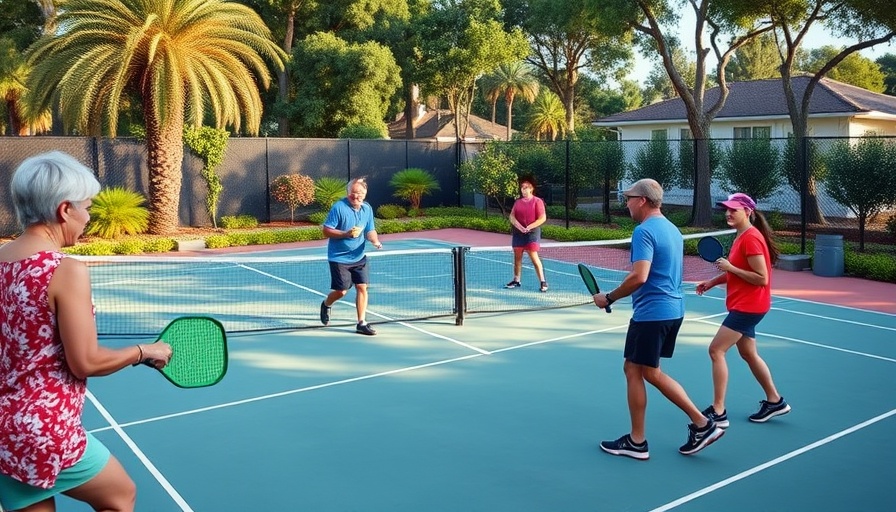
Group plays pickleball on renovated court amidst greenery

The Journey From Run-Down to Revitalized: A Pickleball Transformation

When we purchased our property four and a half years ago, we had no idea that a pickleball court would eventually grace our yard. All we knew was that the existing tennis court was broken, overgrown, and almost forgotten. At the time, pickleball was a relatively unknown sport to us, yet it has since surged into the spotlight as a wildly popular recreational activity. Our journey to revitalize the space is not just about improving functionality but also about creating a vibrant community hub.

Uncovering the True Potential of Our Space

The charming yet dilapidated condition of the tennis court made for a daunting project. With cracked asphalt and weeds breaking through the surface, the court’s potential was shrouded in neglect. First-time homeowners often experience this reality: envisioning possibilities before recognizing the work needed to bring them to fruition. Our initial thoughts were to merely resurface the existing court, a decision soon overshadowed by our contractor’s revelation about the foundational issues.

Realizing that no company would agree to resurface a failing structure forced us to take bold action. We chose full demolition, salvaging the asphalt to create a gravel access road that benefited our property using existing materials creatively. It was an unexpected turning point that opened the door to new possibilities.

The Transition: From Hardscape to Play Space

After demolishing the old court, a fresh start beckoned. Pouring new concrete felt cathartic, but it took time for us to determine that this half-sized court could indeed serve our diverse recreational needs — from basketball to pickleball. Yet, it was clear that additional enhancements were necessary for the space to truly feel like a welcoming social environment.

While our court got a new lease on life, we quickly learned that hardscapes alone do not nurture community vibes. With this realization, we turned our attention to landscaping. We reached out to a local landscaping firm, Dennis' 7 Dees, who removed a portion of the hard surface, allowing greenery to flourish in its place, and creating more inviting spaces. The transformation was tangible within just days: a dusty courtyard became a lush, vibrant gathering place.

Building Community Through Play

Fast forward to today: we recently hosted our second annual neighborhood pickleball tournament. The energy during that event was electric, showcasing not only the revitalization of our court but the deep sense of community it has cultivated. Neighbors gathered to compete, connect, and enjoy the beautiful California weather while playing. Such gatherings remind us of the power of shared spaces, especially in urban and suburban areas where personal backyards can feel isolating.

Why This Matters: The Cultural Shift to Pickleball

With an increase in interest across the nation, especially among California homeowners, it's worthwhile to consider how revitalization projects like ours play a pivotal role in changing community dynamics. Pickleball, while just one sport, symbolizes an emerging trend in recreational activities tailored to all ages, driving a cultural shift towards more social engagement. It pulls together the young and old, from families to retirees, proving that play can bring people together.

Transformations with Long-Lasting Impact

Our pickleball renovation story is a perfect representation of how a simple transformation can create lasting impacts. Taking a neglected space and flipping it into something valuable not only enhances property value but strengthens neighborhood ties. We’ve learned that sometimes a little effort can lead to meaningful change in our lives and communities.

Are you considering a similar transformation? Harnessing the energy behind recreational spaces could be the key to fostering connections in your community. Whether it’s a pickleball court or another project, look for ways to bring people together through shared activities. Community starts with small steps, and every court or play area can spark joy and interaction.

Final Thoughts

Creating a communal space such as a pickleball court is more than just a home improvement project; it’s a commitment to fostering local connections and encouraging an active lifestyle. As California residents continue to seek recreation solutions, projects of this nature will surely inspire others to rethink how their properties can be utilized for the betterment of their neighborhoods.

Home Restoration and Renovation

Write A Comment

*
*
Related Posts All Posts
10.22.2025

Exploring Craftsman Bathroom Designs That Enhance Aging in Place

Update Craftsman Style Meets Accessible Design In a heartwarming remodeling story from Newton, Massachusetts, a couple in their 70s took the essential step of redesigning their bathroom to align with their aging-in-place needs. Their home, a beautiful 1923 Craftsman, emanated charm, but it also presented certain logistical challenges—a dilemma many homeowners face as they age. Recognizing the complexities involved in maintaining their independence, they enlisted the help of Steveworks, a design-build firm, to modernize their bathroom without sacrificing the elegance of its original style. The Challenge of Aging in Place The couple's previous bathroom featured original fixtures that showcased its historic allure but posed practical problems. Climbing into the tub was no longer feasible, and the storage-lacking pedestal sink necessitated the awkward addition of a dresser. This situation is not uncommon; many families share similar experiences where the architecture does not support their evolving needs. The transformation of this bathroom stands out not only for its aesthetic revival but also for its thoughtful functional upgrades tailored to facilitate aging in place. Modern Solutions with a Vintage Touch When discussing aging in place, essential elements become apparent. Wide shower openings, zero-threshold designs—features that may initially seem mundane—form the backbone of a safe bathing environment. In this renovation, the shower's design was transformed to accommodate mobility aids, such as walkers, while maintaining an inviting ambiance synonymous with Craftsman aesthetics. For instance, the newly installed barn-style glass door glides effortlessly, reducing the risk of accidents when accessing the shower. Furthermore, strategic placement of grab bars illuminates a vital trend in bathroom design: merging safety with style. Innovation Meets Tradition The expertise of designer Tova Greenberg shined brightly as the couple expressed their desire to retain elements of their home's historical character. Choices such as traditional 3-by-5-inch subway tiles in the shower, complemented by botanical wallpaper reminiscent of the Craftsman era, illustrate that modern updates need not erase the past. The harmonious blend of innovation and tradition in design can serve as a model for homeowners across California who wish to preserve their home's integrity while upgrading its functionality. Key Features Promoting Independence Aging in place goes beyond traditional remodels; it’s about creating an environment where safety, comfort, and dignity are prioritized. The bathroom remodel included numerous specific features such as: Curbless Shower: Facilitating easier access while adding elegance. Adjustable Shower Heads: These types of fixtures provide customized comfort for all heights. Grab Bars: Placed strategically, these ensure easy mobility throughout the bathroom. Comfort Height Toilets: Designed to ease the sit-stand transitions. Each of these elements embodies the philosophy of universal design—principles that ensure usability for everyone, regardless of their age or physical ability. Commitment to Environmental Considerations Alongside prioritizing accessibility, the renovation also considered energy efficiency. The team re-insulated exterior walls and upgraded windows to ensure comfort against Massachusetts winters without inflating energy bills. For many in California, where environmental consciousness is paramount, such features are crucial. They not only enhance comfort but also reflect a commitment to sustainability—an ever-growing trend in home renovations. A Lasting Impact on Homeowners In the face of aging, this couple has been proactive, transforming their home into a space that accommodates their present needs while considering their future. As they enjoy the comfort of their updated bathroom, they exemplify a critical lesson for homeowners everywhere: that thoughtful renovations can cater to both aesthetic desires and practical necessities. Others planning similar renovations should keep such duality in mind, ensuring both beauty and functionality within their spaces. Final Thoughts For homeowners contemplating similar adjustments, the lessons gleaned from this renovation emphasize the importance of engaging with professionals who understand the nuances of aging-in-place design. Collaborating with experts can yield not only enriching spaces but also safeguard against potential hazards, ensuring safety and independence reign in one’s home. As our lifestyles evolve, so too should our living environments. This Newton couple serves as a reminder that home is where comfort, style, and safety intertwine, offering peace of mind regardless of age.

10.22.2025

Is Your Open-Concept Floor Plan Not Working? Discover 4 Fixes!

Update Revamping the Open-Concept: Is It Time for a Change? Open-concept floor plans have taken the home design world by storm, allowing for spacious living and a seamless flow between rooms. However, after years of enjoying such a layout, many homeowners, especially here in California, are starting to question if this trend still serves their needs. As vibrant urban and suburban environments continue to flourish, residential spaces must adapt to the evolving dynamics of family life. The charm of an open floor plan is undeniable; it encourages interaction and creates an illusion of expansiveness. Yet, the reality of living in a vast, uninterrupted space can often lead to feelings of disconnect, noise disruption, and confusion about how to purposefully utilize different areas. For those grappling with an open floor plan that no longer feels functional, here are some innovative strategies to redefine your space while still maximizing that California sunshine. 1. Embrace Interior Windows and Partitions One of the most eye-catching solutions is the use of interior windows or window walls. This idea may initially sound like an architectural dream, but it does wonders for creating distinct spaces without fully closing them off. Imagine a beautifully designed partial wall with quaint windows—these allow light to stream through, separating areas while maintaining a sense of openness. As mentioned by designers like Jean Stoffer, incorporating elements like window walls can elevate your space, making it feel more functional and luxurious. It’s a fantastic way to boost both aesthetics and livability, especially in homes where sunlight can pour in and illuminate even the coziest nooks. 2. Make Room for Bookcases and Shelving Using furniture as a means of division can redefine your space dramatically. Bookcases, for instance, serve a dual purpose—they are practical for storage and can effectively create boundaries between different areas. By positioning a sturdy bookcase or even two back-to-back, you not only gain an appealing visual barrier but also enhance the room with shelving for books and decorative pieces. For those with smaller footprints, opt for lower shelves to maintain good sightlines and the illusion of space, as noted in professional design recommendations. This strategy is especially effective in apartment-style homes common in urban California. 3. Utilize Drapery for Soft Separation Curtains and drapes can function not just as window treatments but as stylish room dividers. Tailor your selection to fit the ambiance you wish to create: blackout curtains for privacy or sheer materials for a lighter feel. Custom drapery can seamlessly tie in with your existing decor while providing the flexibility to adapt your space based on your daily activities. In open-plan homes, this softer approach can create cozy corners perfect for relaxation or intimate gatherings, providing a quick transformation from open to intimate without a permanent installation. 4. Add Cozy Zones with Area Rugs Don’t underestimate the power of area rugs! They can define space and help absorb noise, which is crucial in a bustling open floor plan. By strategically placing rugs beneath key furniture pieces, such as dining tables or seating areas, you create a sense of segmentation that guides the flow of the room without the need for walls. Bold colors or creative patterns can also inject personality and warmth into your living spaces, catering to your individual style while clearly delineating functional areas. Find Your Perfect Balance The beauty of California living often lies in its ability to blend the indoors with the outdoors. By thoughtfully rethinking your open-concept living, achieving a space that feels interconnected yet defined is possible. These ideas apply not only to existing homes but also to new builds that are designed with mobility and interactions in mind. As you consider these options, remember that your home should reflect your lifestyle and needs. Whether you’re hosting an elaborate party or simply enjoying a quiet evening, striking that ideal balance of open and private is key to truly enjoying your home. For homeowners contemplating their next DIY project, getting creative with your open spaces can revitalize your living experience. Don't hesitate to seek local designers to help bring your vision to life, creating not just a house but a uniquely charming home.

10.15.2025

Anticipating Homeowner Concerns and Strategic Shifts for 2026 Renovations

Update Understanding Homeowners' Concerns Ahead of 2026 Renovations As we approach 2026, more than 90% of professionals in the residential construction and design sectors anticipate a wave of homeowner hesitancy. The latest U.S. Houzz Renovation Barometer reveals that this concern stems from several factors, particularly around costs and economic stability. With 74% of construction professionals and 80% of design professionals highlighting project costs as the primary worry, it’s clear that budgeting will be a hot topic among clients making renovation decisions. Shifting Strategies: How Firms Plan to Adapt As concerns mount, the landscape for construction and design firms is expected to shift dramatically in 2026. Approximately 86% of firms plan to alter their business operations to better respond to these homeowner anxieties. Strategies include adopting advanced technologies, enhancing marketing efforts, and adjusting pricing structures. For instance, 42% of firms in construction and 48% in design are moving toward technology upgrades, particularly those that facilitate project management. This evolution is crucial not only for meeting client expectations but for maintaining a competitive edge in a changing market. Economic Factors at Play: Connecting the Dots With economic uncertainty weighing heavily on the minds of potential clients, other factors such as job stability and tariffs also emerged as significant worries. Approximately 40% of construction professionals and 41% of design firms rated economic conditions as a notable concern. Additionally, product availability emerged as a stressor, particularly as firms anticipate delays and increased costs tied to imported materials. The current economic climate necessitates that homeowners not only budget wisely but also plan for potential interruptions in their renovation schedules. Planning is Key: Setting the Stage for Successful Renovations For homeowners considering renovations in California or any other regions, early preparation is critical. Firms like those in Seattle emphasize the importance of beginning discussions and planning early to navigate the complexities of permitting processes, material procurement, and contractor availability. Delays can emerge from its intricate series of steps, where any small setback can lead to significant delays in the overall project timeline. Real-Life Examples of Successful Renovations Take, for instance, a homeowner in Seattle who recently renovated their kitchen. By beginning their project discussions well in advance, they secured their choice of contractors and managed to lock in their desired custom cabinetry, which had a lead time of over six months. As a result, they avoided most common pitfalls, achieving a stunning renovation completed on schedule and within budget. Looking Ahead: Future Predictions for Home Renovation Trends As we move forward, it’s essential for both homeowners and industry professionals to keep a pulse on evolving trends. Energy efficiency and smart home technology are expected to dominate discussions in 2026. With California’s emphasis on green building initiatives, incorporating sustainable practices is likely not just a trend, but a necessity for future renovations. Adapting Business Plans for a Changing Landscape Given anticipated homeowner anxiety, firms are also considering their marketing and client acquisition strategies more seriously than ever. As 34% of construction professionals are planning to put a renewed emphasis on marketing efforts, enhanced communication may help alleviate some homeowner fears by improving transparency and setting realistic expectations. Conclusion: Taking the Next Step in Your Renovation Journey As the uncertainty of 2026 looms, homeowners must equip themselves with proactive strategies, beginning with informed discussions about their renovation goals. Solutions-oriented approaches can ease anxieties and lead to successful, timely projects. By embracing early planning, home renovation enthusiasts can transform concerns into victory. If you’re considering a renovation, it's time to take a step forward with informed planning. Professionals are ready to guide you through this evolving landscape.

Terms of Service

Privacy Policy

Core Modal Title

Sorry, no results found

You Might Find These Articles Interesting

T
Please Check Your Email
We Will Be Following Up Shortly
*
*
*